Disc Decompression
Non-Surgical Solution to Back and Neck Pain
What is Spinal (or Disc) Decompression?
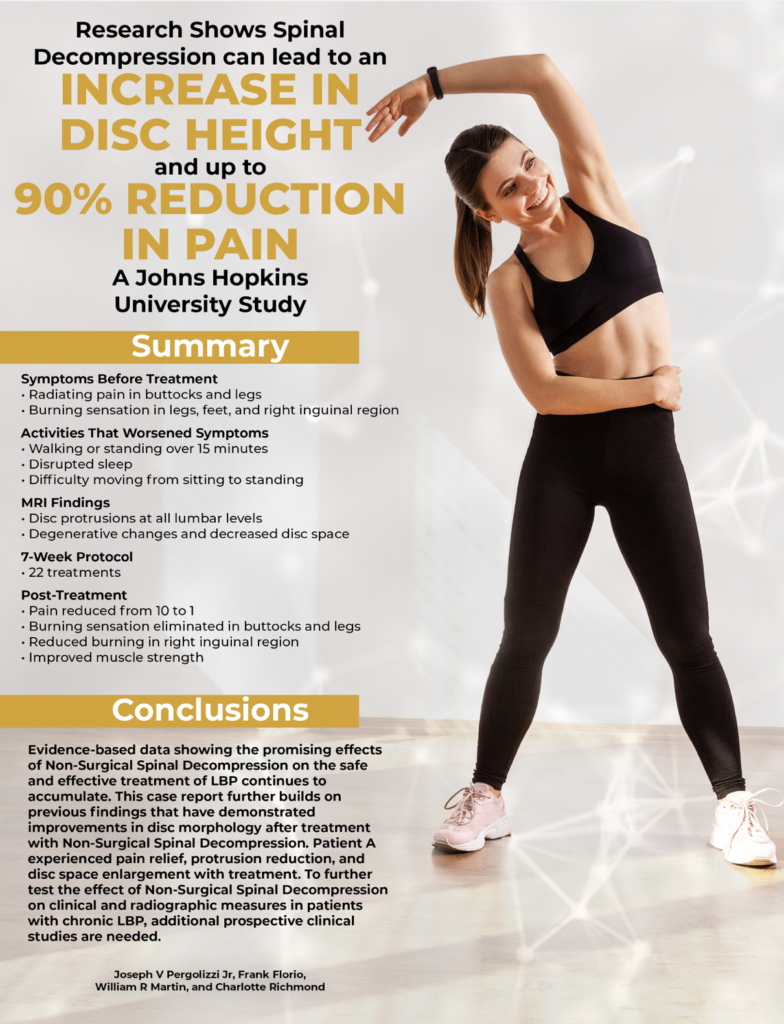
Spinal decompression is a non-surgical therapy designed to gently reduce pressure on certain spinal discs and irritated nerves.
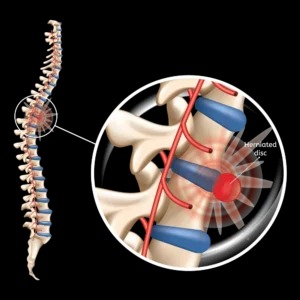
Your spinal discs act like cushions between the bones of your spine. When a disc becomes irritated, compressed, bulging, herniated, or degenerative, it may contribute to pain, stiffness, nerve irritation, numbness, tingling, or symptoms that travel into the arms or legs.
Decompression therapy uses controlled, gentle traction to help reduce stress in the affected area. For the right patient, this may help create a better environment for healing, comfort, and improved function. Spinal decompression is not right for everyone. That is why we always start with a consultation and evaluation.
What Conditions Does Decompression Treat?
Disc-related pain can show up in different ways. Some patients feel pain in one area, while others feel symptoms travel into the arm, hand, hip, leg, or foot.
Patients often ask us about decompression for:
- Herniated discs
- Bulging discs
- Degenerative disc problems
- Sciatica
- Pinched nerves
- Neck pain with arm symptoms
- Low back pain with leg symptoms
- Numbness or tingling
- Pain that worsens with sitting
- Pain that travels from the back or neck into another area
The important thing is finding out whether your symptoms are actually coming from a disc or nerve issue. We do not want to guess, and we do not want you guessing either.
Herniated Disc, Bulging Disc, or Pinched Nerve?
These terms can sound intimidating, but they do not automatically mean you need surgery.
Many people with disc-related symptoms explore conservative care first when it is safe and appropriate.
A bulging disc means part of the disc extends beyond its normal space.
A herniated disc means disc material has pushed farther out and may irritate nearby nerves.
A pinched nerve means a nerve is being irritated or compressed, which may cause pain, numbness, tingling, burning, or weakness.
The best next step is an evaluation to understand your symptoms and determine whether conservative care may be appropriate.
Why Combine Decompression With Chiropractic Care and Rehab?
Disc problems are often not just a disc problem. Your posture, spinal movement, core stability, hip mobility, muscle strength, work habits, and daily movement patterns may all play a role. That is why decompression may work best as part of a complete plan.
Chiropractic Care
To help improve spinal and joint movement when appropriate.
Active Rehabilitation
To support strength, stability, posture, and better movement patterns.
Home Care Guidance
To help you avoid positions or habits that may keep irritating the problem.
Lifestyle and Movement Education
To help you better understand how to protect your back or neck during daily life.
Our goal is not just to help calm symptoms. Our goal is to help your body function better.
Our Approach to Disc Decompression
Signs You May Be a Candidate for Decompression
You may benefit from a decompression evaluation if you have:
- Low back pain that travels into the hip, buttock, or leg
- Neck pain that travels into the shoulder, arm, or hand
- Numbness, tingling, burning, or pins and needles
- Sciatica symptoms
- Pain from a bulging or herniated disc
- Pain that gets worse with sitting, bending, lifting, or standing
- Disc-related symptoms that keep coming back
- A desire to explore non-surgical options before considering more invasive care
A consultation helps us determine whether decompression makes sense for your specific condition.
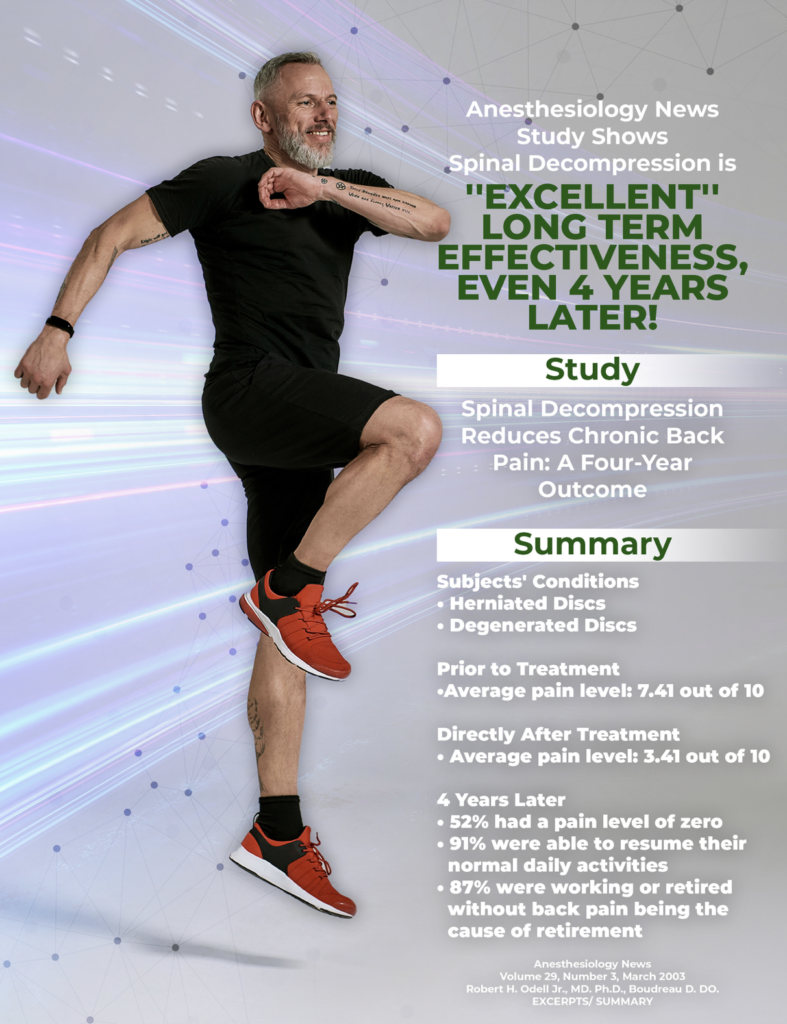
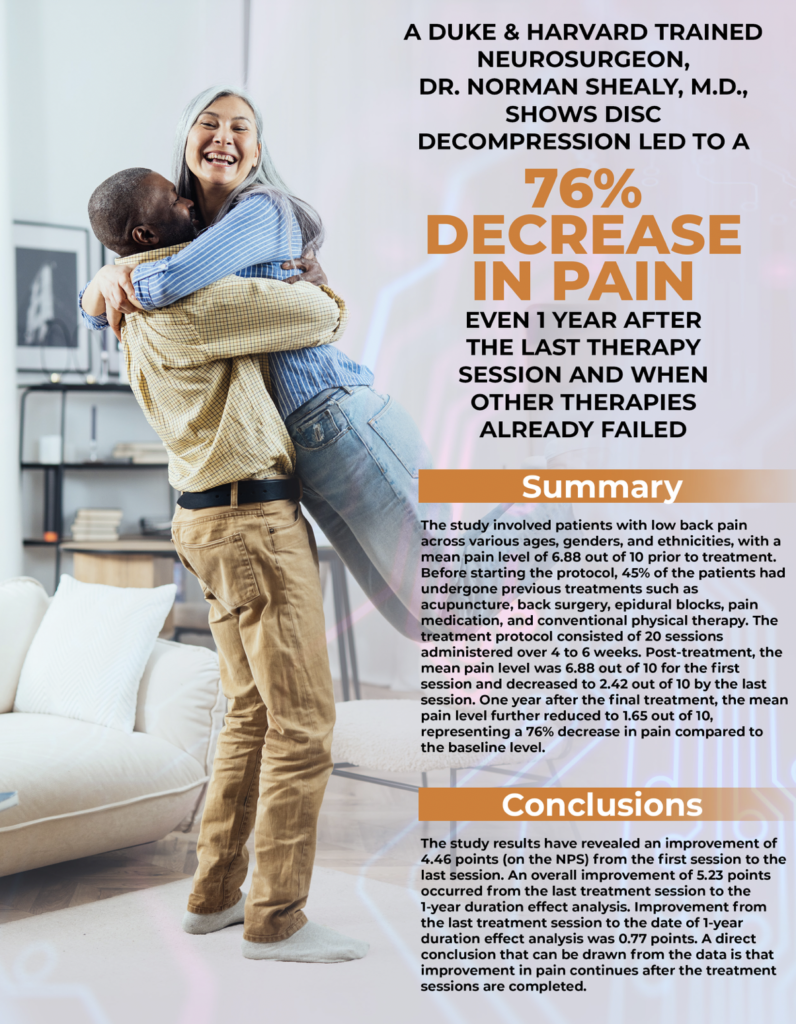
At Denison Chiropractic, we do not believe in one-size-fits-all care.
Your first visit starts with a conversation. We want to know what you are feeling, how long it has been going on, what makes it better or worse, and how it is affecting your life. Then we perform a focused exam to better understand your spine, posture, movement, nerve symptoms, and overall function.
If decompression appears appropriate, we will explain:
- What we found
- Why decompression may be recommended
- How your care plan would work
- What realistic goals may look like
- What other therapies may support your progress
No pressure. No confusion. Just clear information so you can make a confident decision.
Our goal is simple: help you understand what may be causing your symptoms, explain your options clearly, and create a plan that makes sense for your body and your goals.
Schedule a Decompression Consultation
Call 903-463-5151